The wasteful sentence
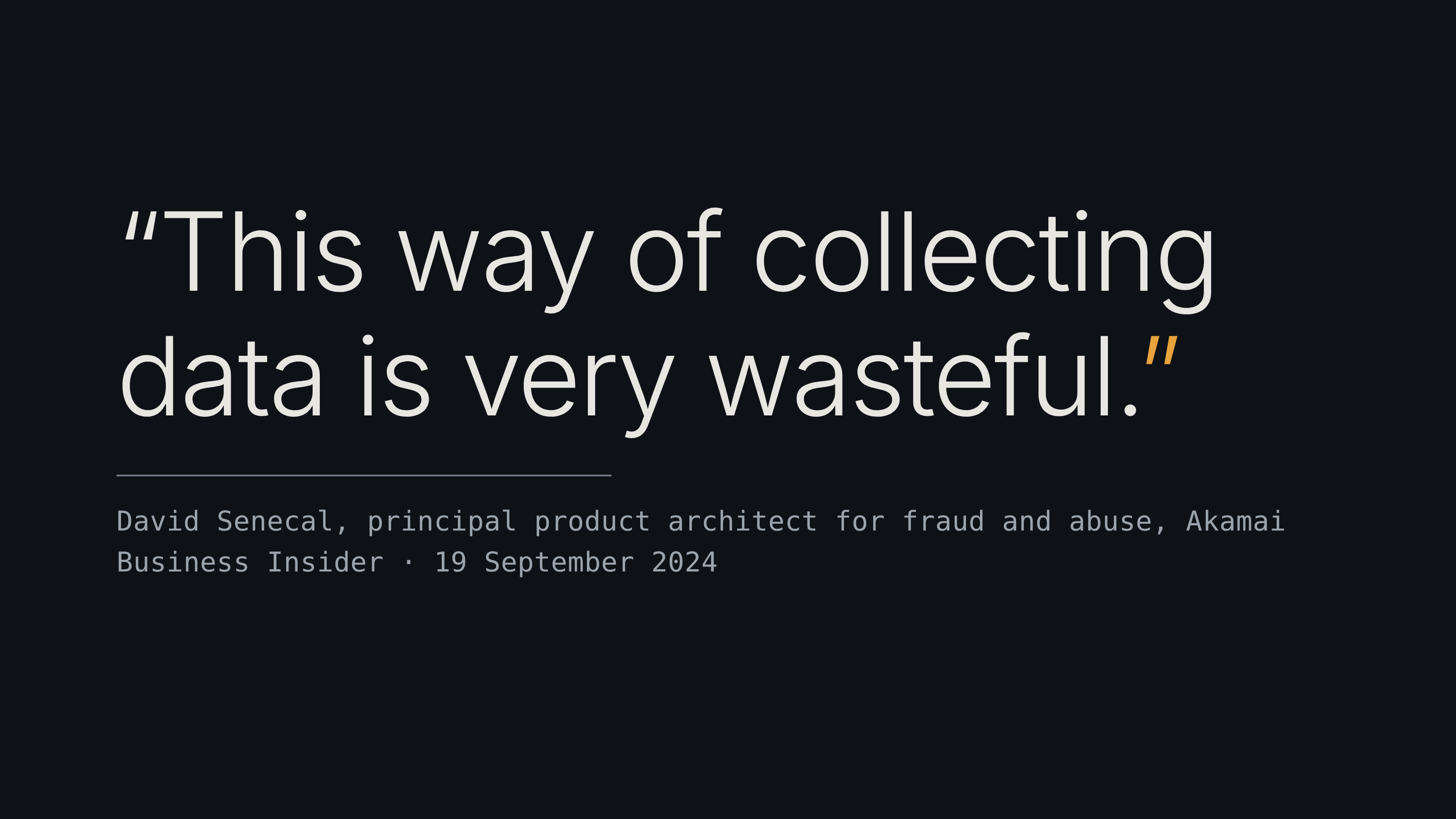
This way of collecting data is very wasteful.
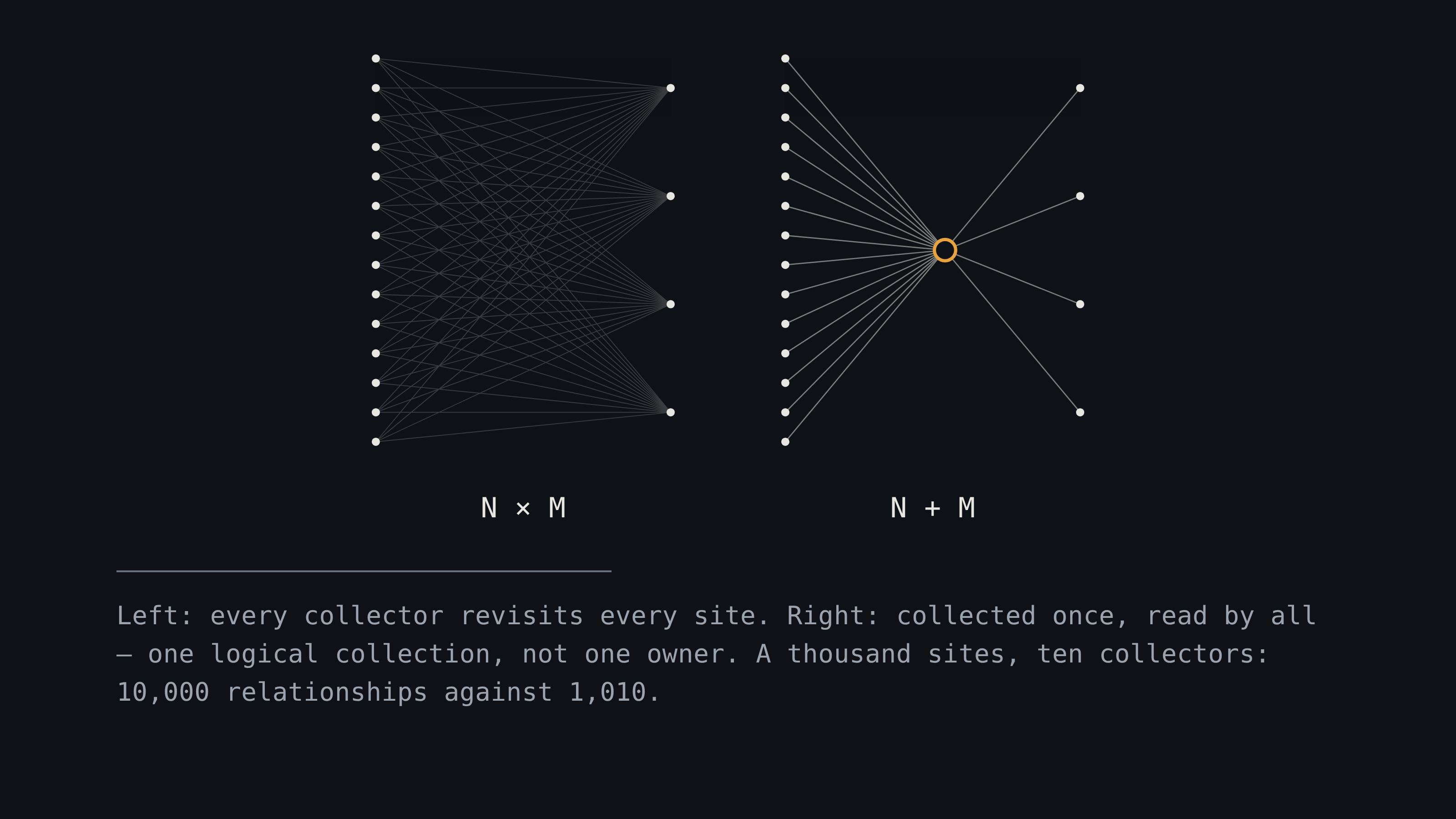
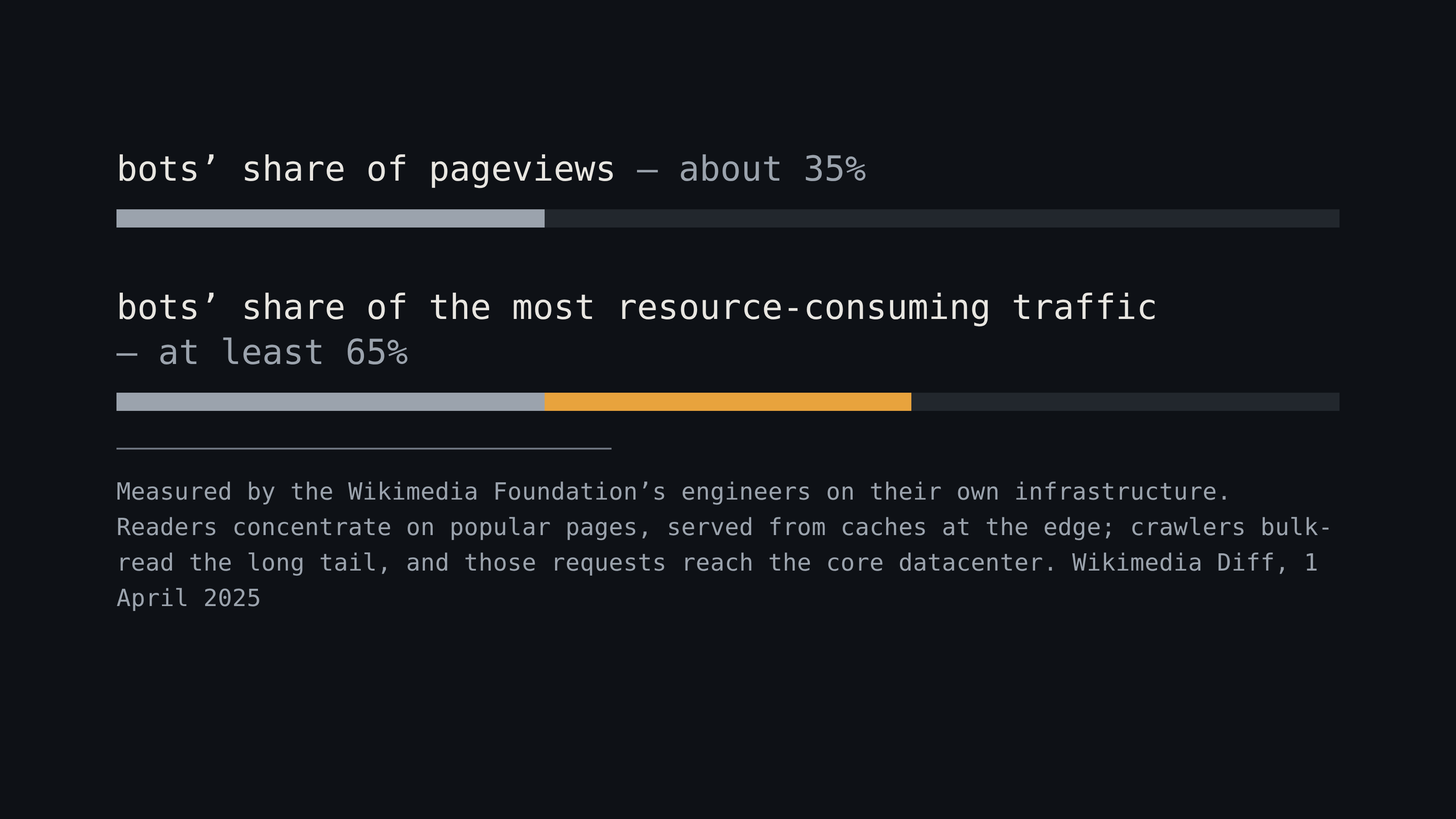
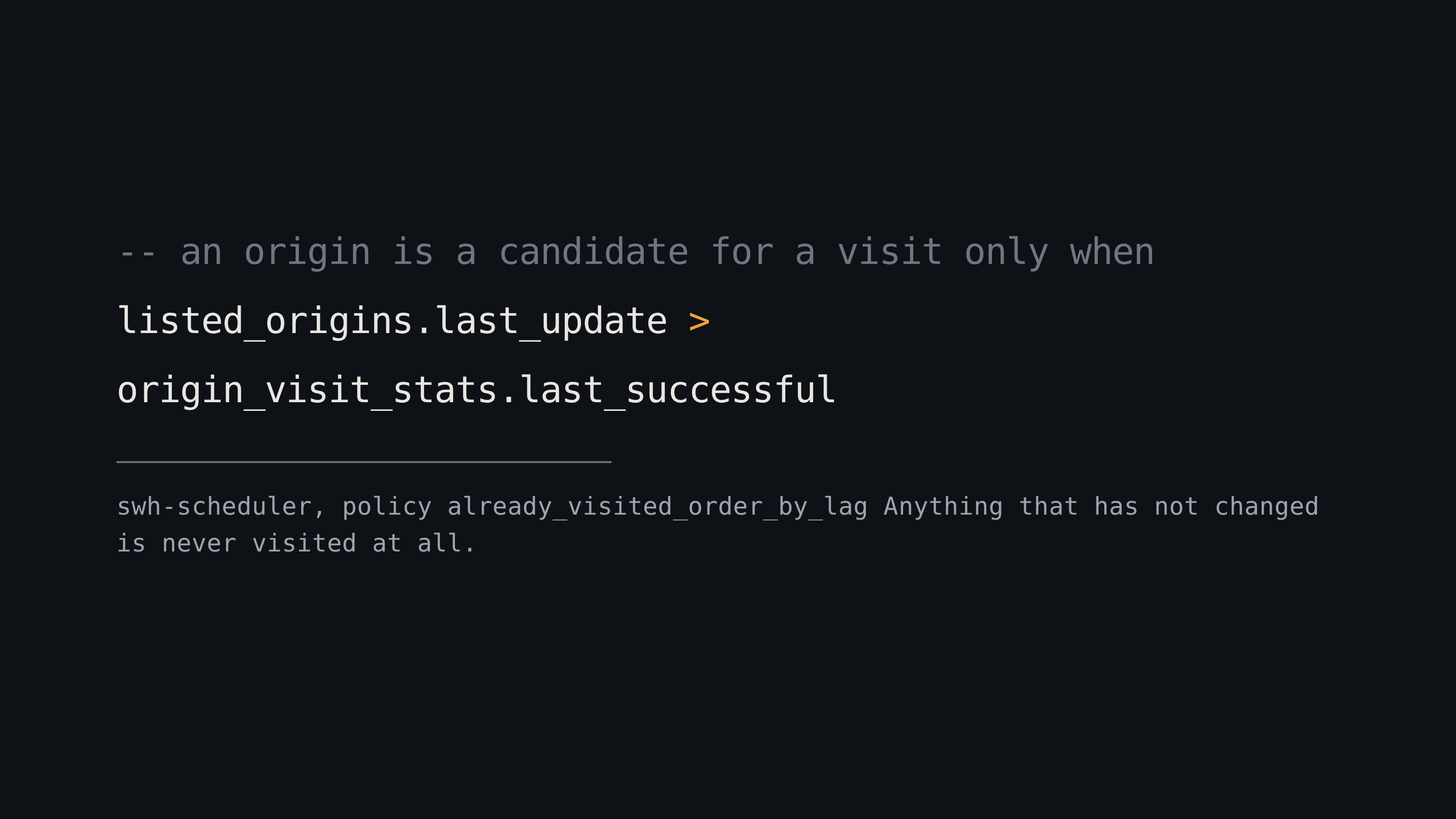
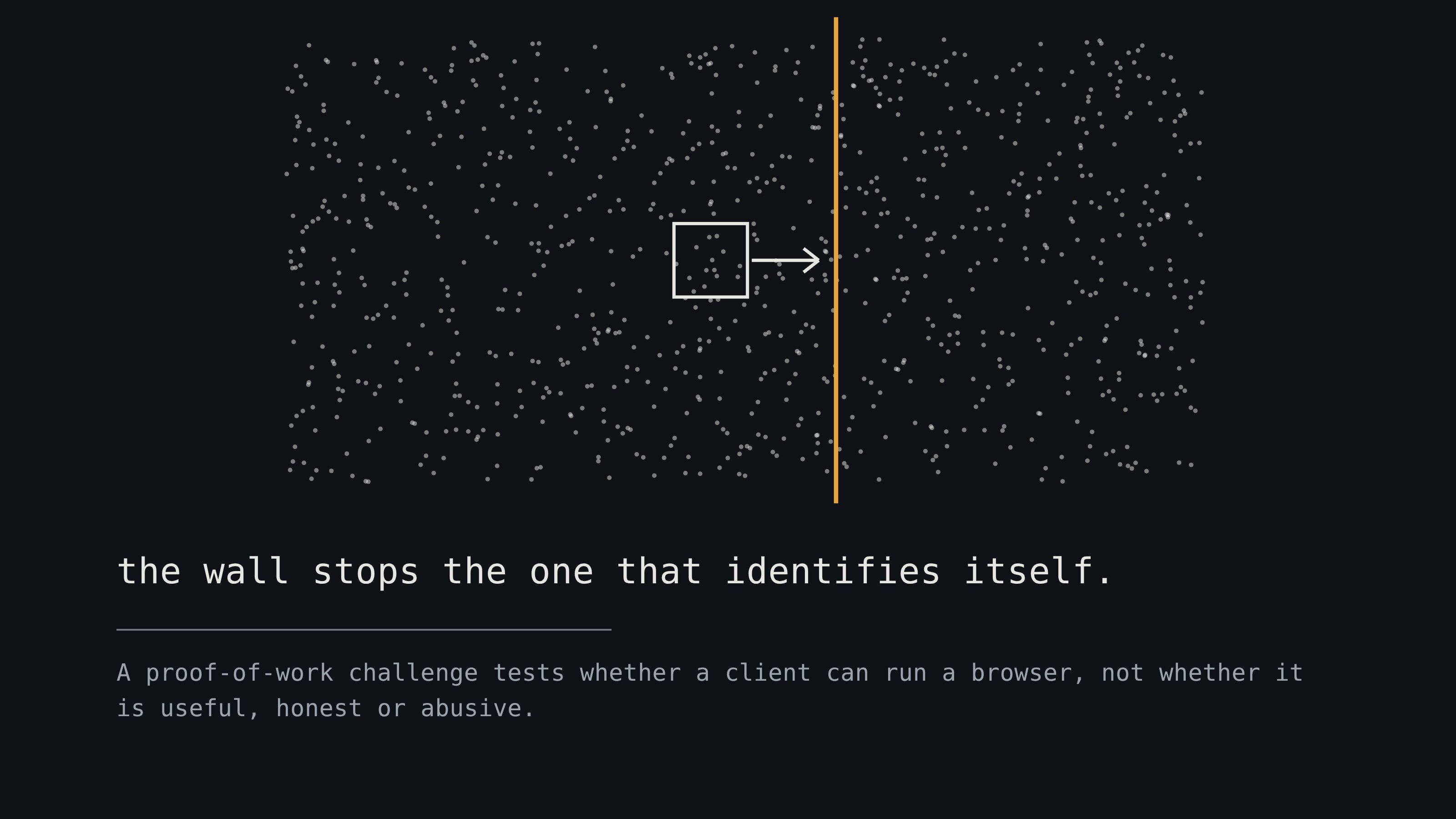
That is how an Akamai specialist described the way many AI crawlers gather material from the web.[1] The report around the quotation gives the concrete mechanism: some botnets revisit an entire site every day merely to discover what changed, transferring the same material again and again. This is not new: search engines have been doing it for decades, in the very same wasteful way, but the scale of "scraping" is now such that what we have known as the "open web" is now closing down, an API at a time[2], a "bot filter" at a time[3], effectively reducing the global value for everybody, while increasing the waste of resources.
The striking part is not that the method is wasteful. Everybody running a sizeable website knows that by now. The striking part is that we speak as though this were a law of nature.
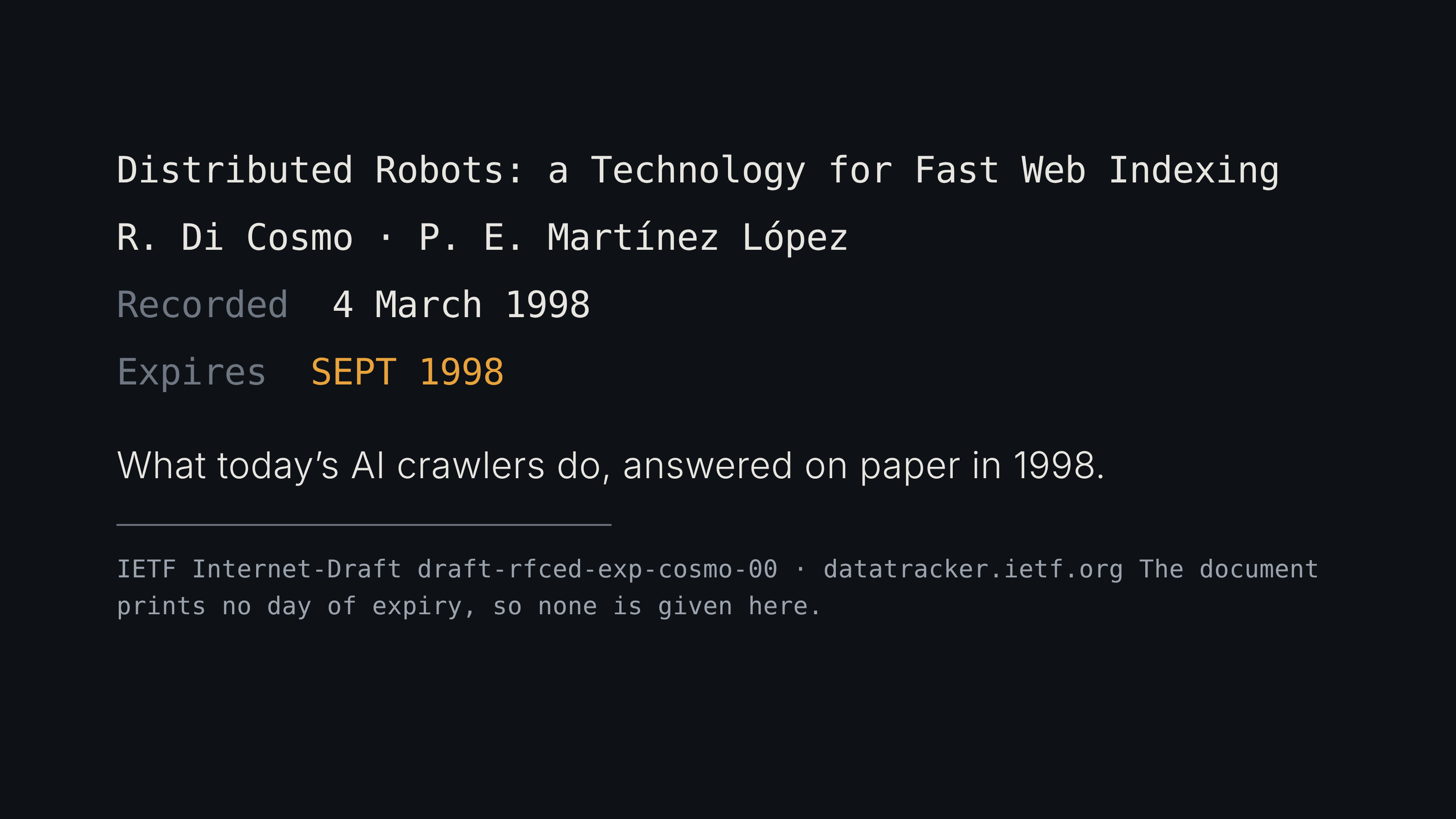
It is not. We knew how to avoid most of this waste in the 1990s, and it turns out I actively tried to push forward a concrete solution, when the problem was still manageable. We'll get back to this.
For nearly three decades, I have repeatedly encountered the same pattern: a system that works well enough for every actor taken separately, while imposing a growing cost on everybody taken together. Each local decision is reasonable. Their aggregate result is damaging. Since nobody owns the aggregate problem, the better solution remains nobody's job.
It is time to call out this state of affairs, and act upon it... again: I personally tried many times, and now I can build on that experience. The first step is to clearly understand what is happening and why: which actor does what and why, who gains, who loses. In the coming weeks I will reconstruct one instance of the pattern from dated documents. It begins with web crawlers and ends with the institutions we build—or fail to build—for shared digital infrastructure.
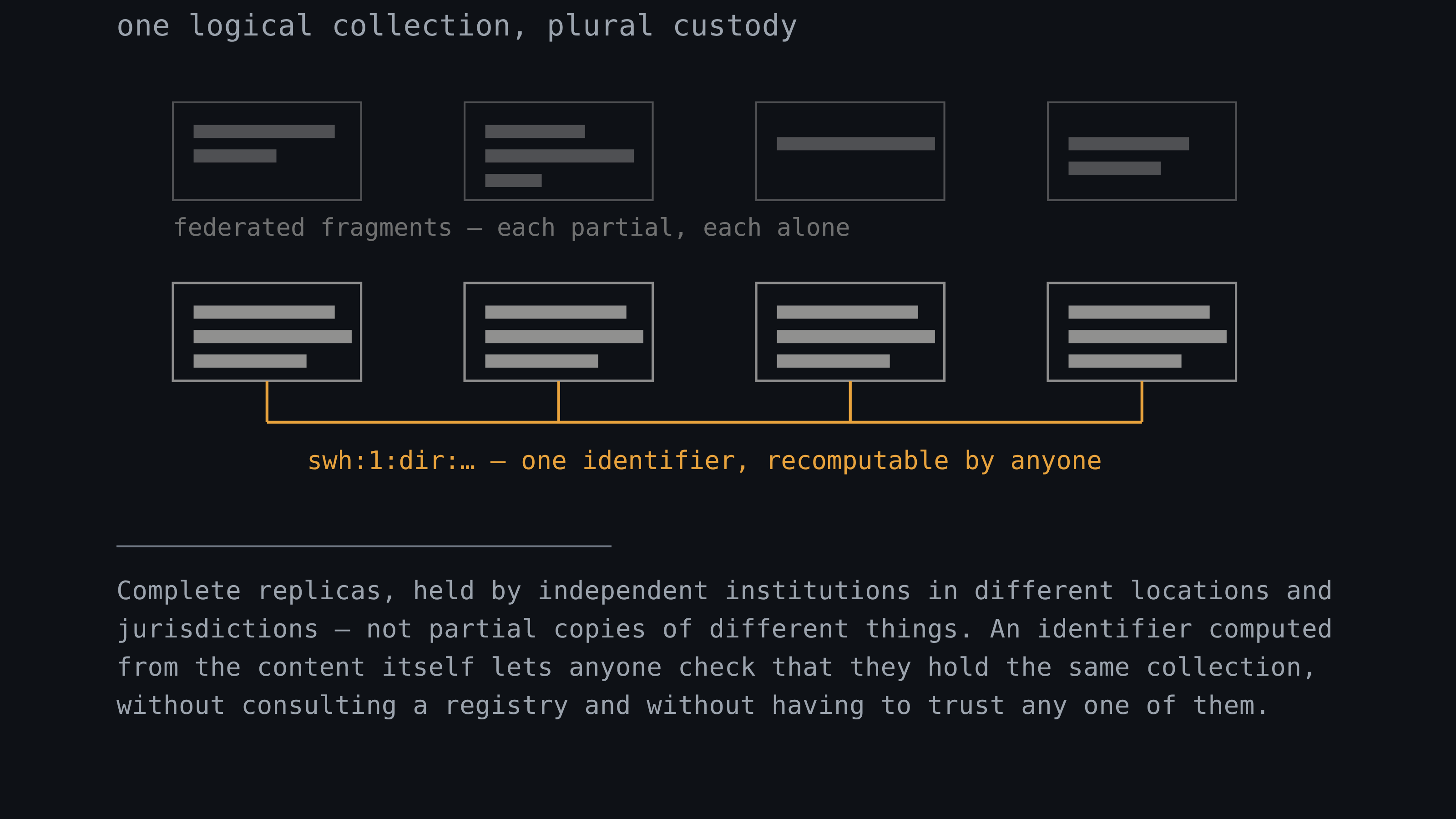
Let me point at the destination from the outset: I direct Software Heritage, a non-profit organisation that collects public source code once so that others do not all have to collect it again. This is my latest effort to contribute to systematically address this long standing problem.
It is a problem that starts with two simple words: good enough.